Simulator Data and Virtual League Odds: Connections to Casino Loyalty Systems
Devon Reed · Aug 10, 2026
Simulator Data and Virtual League Odds: Connections to Casino Loyalty Systems
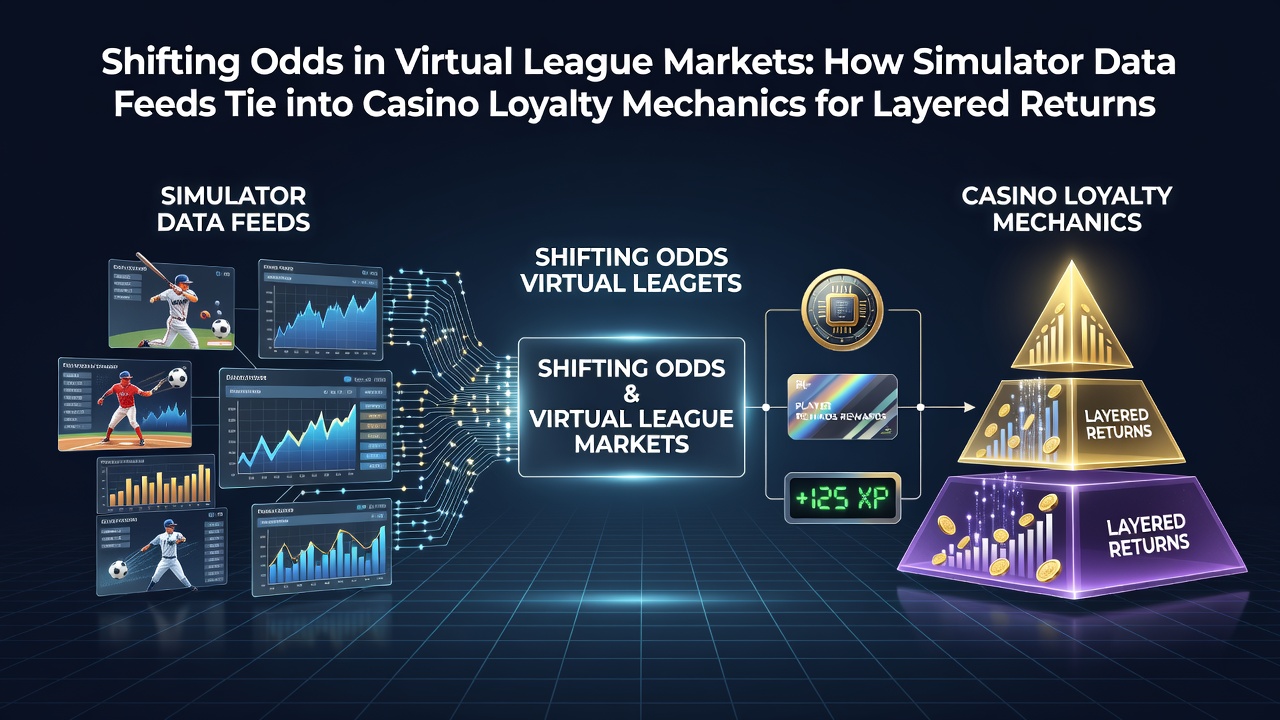
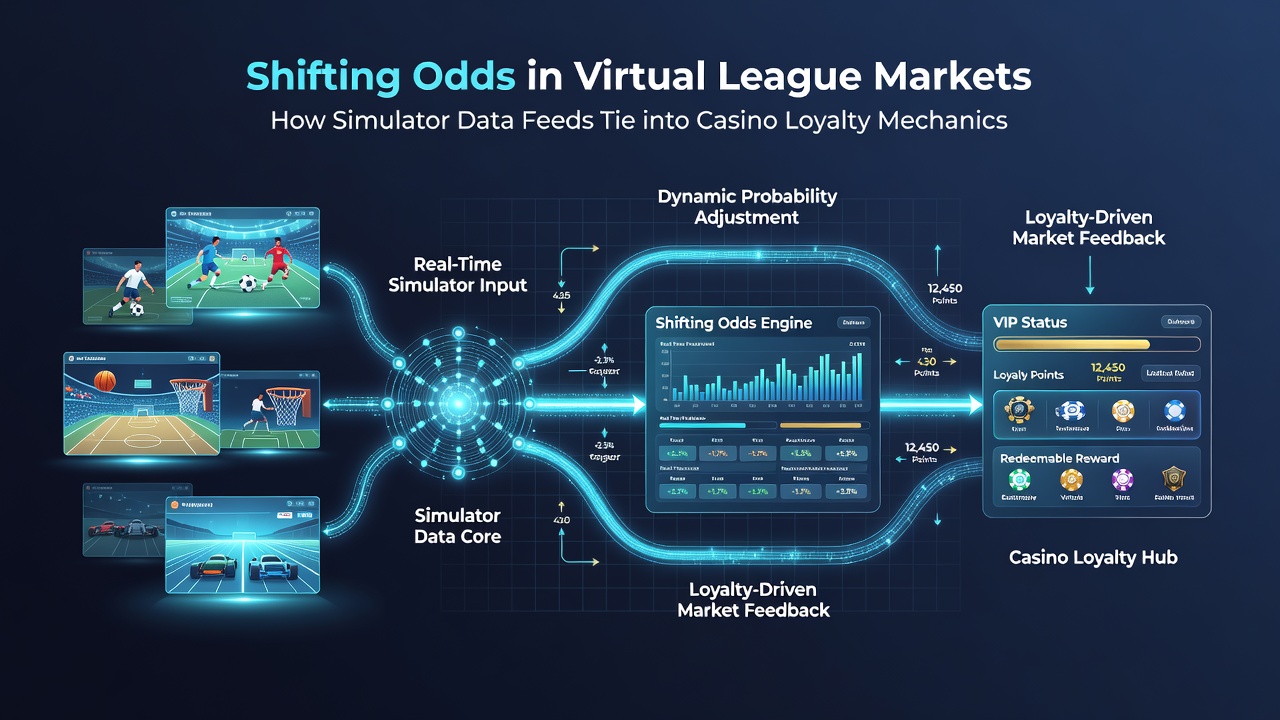
Virtual league markets have expanded through simulator platforms that generate outcomes based on statistical models and live data inputs, and these systems now feed directly into casino loyalty frameworks that layer rewards across betting and gaming activities. Operators track performance metrics from simulated matches in soccer, basketball, and other sports to adjust odds dynamically while participants accumulate points that convert into casino bonuses, free spins, and cashback offers.
Simulator Mechanics Behind Odds Adjustments
Simulator engines pull from historical performance databases, player injury reports, and environmental variables to produce match results in virtual leagues that run continuously. Data streams update every few minutes during peak hours, which allows platforms to recalibrate betting lines on the fly as new inputs arrive. In August 2026 several major operators reported increased transaction volumes in these markets after integrating enhanced simulation algorithms that incorporate weather pattern simulations and fatigue models for virtual athletes.
Research from industry groups shows that real-time data feeds reduce variance in odds compared with static lines, yet they also create opportunities for layered promotions when combined with casino reward tiers. Participants who place virtual league wagers often receive loyalty multipliers that apply to both sports and table game play, which extends session value across multiple product verticals.
Loyalty Program Structures and Layered Returns
Casino loyalty systems operate on tiered point accumulation where virtual league activity contributes alongside slot spins and table game wagers. Points convert into tier credits that unlock higher cashback percentages, exclusive tournament entries, and personalized reload offers. Operators structure these programs so that simulator-generated bets trigger bonus triggers that carry over into non-sports sections of the platform, creating cross-category engagement loops.
According to data released by the European Gaming and Betting Association, loyalty integration has increased average player retention metrics in markets where virtual leagues operate alongside traditional casino floors. The mechanics work by assigning base points per stake on virtual events, then applying multipliers when users reach volume thresholds within a calendar month. This approach allows participants to build returns through sequential layers rather than isolated promotions.
Regional Regulatory Context and Data Sources
Regulatory bodies in multiple jurisdictions have begun reviewing how simulator data transparency affects fair play standards in virtual betting. The Nevada Gaming Control Board published guidelines in early 2026 that require operators to disclose the primary data sources feeding their virtual league engines. Similar scrutiny appears in Australian state frameworks where virtual racing and league products must maintain audit trails for odds movements.
These requirements influence how loyalty mechanics connect to simulator outputs because platforms must demonstrate that bonus triggers remain independent of internal odds manipulation. Observers note that operators now publish periodic summaries of data feed sources to maintain compliance while preserving the competitive edge of their simulation models.
Practical Examples of Layered Mechanics
One documented case involves a platform that awards casino free play credits for every virtual league accumulator completed above a set stake threshold. The credits activate automatically once the simulated outcomes settle, and they carry wagering requirements that align with standard casino playthrough rules. Another operator ties virtual league streaks to progressive loyalty tiers that grant higher daily cashback rates on both slots and live dealer tables.
Figures from the American Gaming Association indicate that cross-product loyalty features have grown steadily since 2024, with virtual league participation serving as a consistent entry point for new users who later explore casino sections. The structure keeps engagement high because simulator schedules run 24 hours a day, which provides continuous opportunities to earn points outside traditional sports calendars.
Conclusion
Simulator data feeds continue to shape virtual league odds while casino loyalty programs absorb those activities into broader reward ecosystems. Operators refine these connections through compliance frameworks that span multiple regions, and the resulting layered returns give participants structured paths to accumulate value across betting and gaming verticals. Data trends through August 2026 show sustained integration rather than isolated product silos.